
Studying in The Netherlands

Prepare for studying abroad
Are you considering studying in the Netherlands? Discover how the Dutch higher education works, what the differences are between universities of applied sciences and research universities. And get a clear picture of daily life in the Netherlands and the culture.
Higher education in the Netherlands
Are you thinking about studying in the Netherlands? There are two main types of higher education in the Netherlands, both with their own focus and characteristics. To find out which type of university fits your interests, aspirations and learning preferences best, we have outlined the differences.
The factsheet published by the Netherlands Organisation for International Cooperation in Higher Education (Nuffic) provides a comprehensive explanation of the higher education system in the Netherlands.
Main types of higher education
A university of applied sciences, like Avans, offers applied research with a strong orientation towards professional practice. The hands-on approach will help you develop knowledge and skill sets which you can immediately apply into practice. At this type of institutions, students are often supported with structure and personal guidance. There is a strong focus on the ‘how’ of things and this type of higher education prepares students for their aspired careers.
- Feature: Practice-oriented and competence-based.
- Focus: Applying knowledge into practice. Projects, internships and close collaborations with industries.
- Learning style: Thrive when you are learning by doing. Preference for project groups and teamwork, and many contact hours with teaching staffs and coaches.
- Admission: High school diploma, English proficiency and programme-specific requirements related to subject knowledge.
- Duration: The bachelor’s degree takes 4 years (240 credits), including 1 year of relevant working experiences, followed by a career or master’s. Some 3 years accelerated programmes are available across these institutitons.
Research universities focus on the ‘why’ questions and are suitable for students who enjoy gaining in-depth knowledge. There is a focus on analytical skills related to the study programme and students apply critical thinking to interpret theoretical knowledge. Although study programmes sometimes contain group work or projects, the main focus is on individual learning. It is a good match for students who can get through high volumes of study materials independently and thrive in a fast-paced environment.
- Feature: Research-oriented programmes in an academic setting.
- Focus: Theoretical knowledge.
- Learning style: Enjoy gaining in-depth knowledge and critical thinking. Preference for independent study and limited contact hours with teaching staffs.
- Admission: On top of high school diploma and English proficiency test, often require certain grades, subjects, or subject level, and in some cases additional tests.
- Duration: The Bachelor’s degree takes 3 years (180 credits), often followed by a master’s.

What you need to know
when you choose to study in the Netherlands

Dutch culture
Get a clear picture of daily life in the Netherlands.

Working while studying
Find out the options and conditions under which you are allowed to work in the Netherlands.
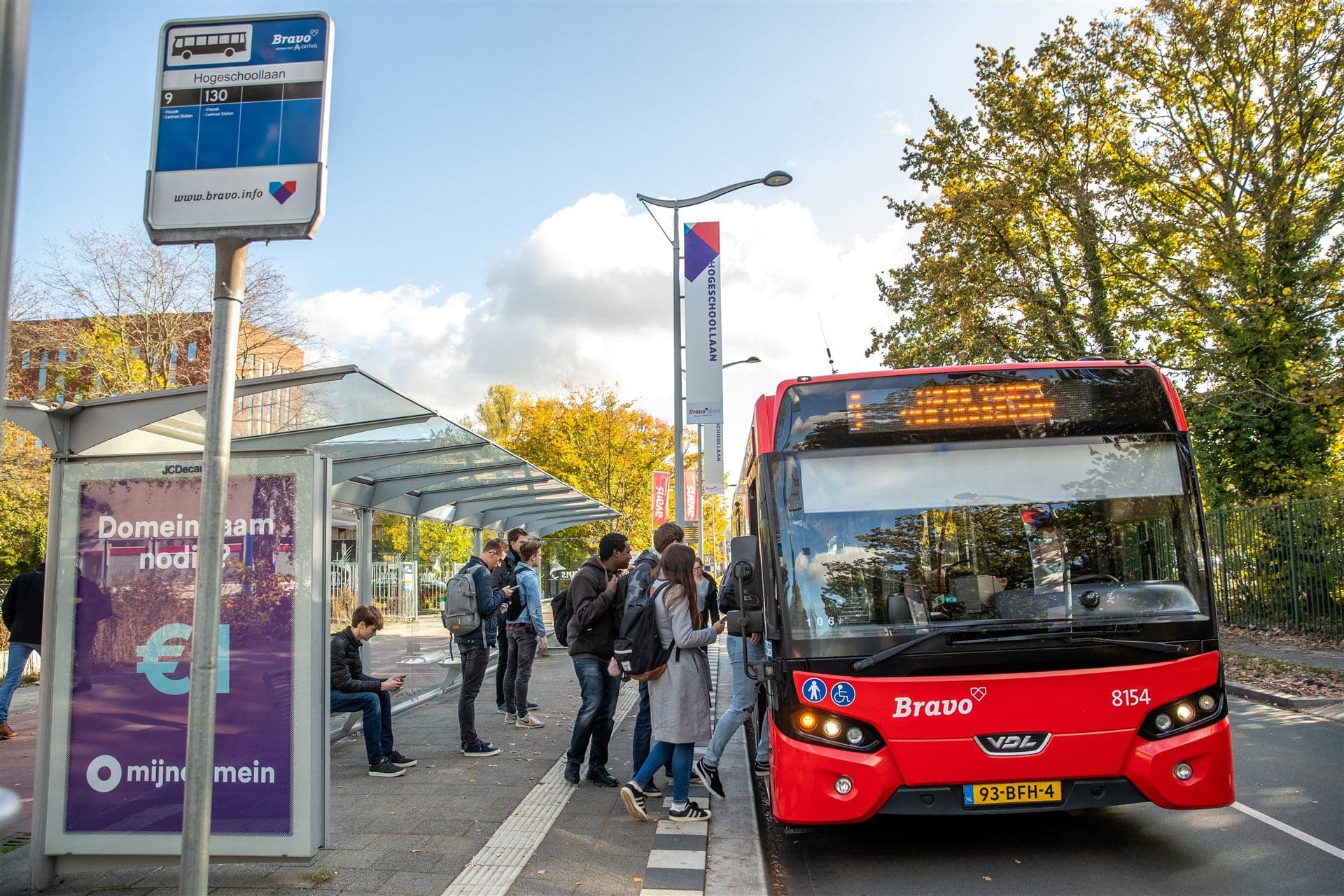
Public transport
Find out how to get around on Dutch public transport.
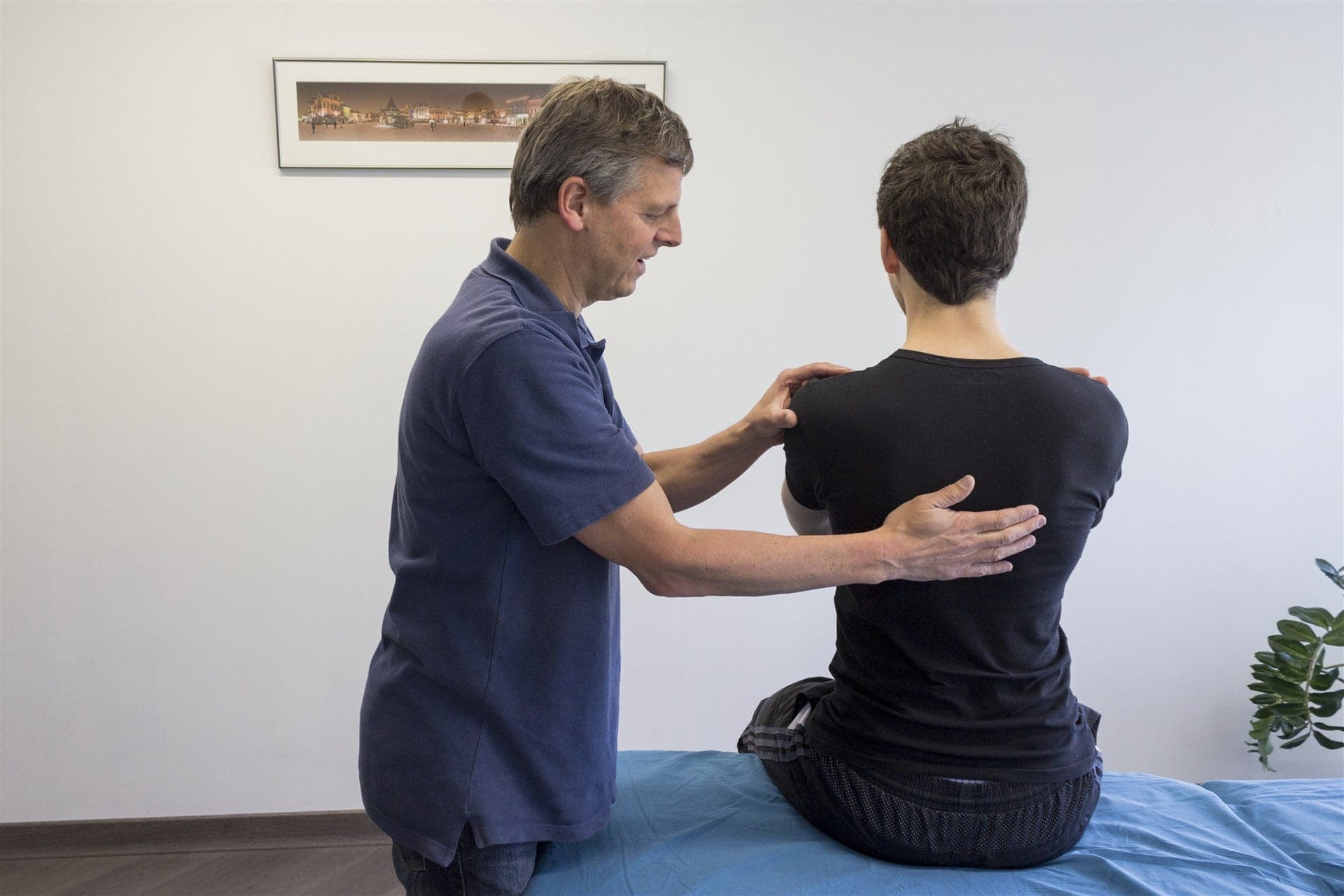
Insurance
It's legally required to have health insurance. It's also important to have good liability insurance.

Visa and residence
If you hold a nationality from outside the European Union you will need a visa and/or residence permit.
Registration at city hall
If you stay longer than 4 months you are required to register at the city hall.